

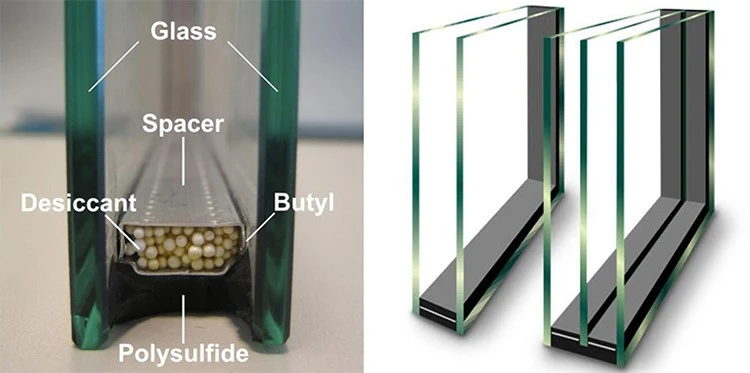
Insulated glass, also known as double-glazed or triple-glazed glass, is a type of glass used in windows, doors, and other building applications. It consists of two or three panes of glass that are separated by a sealed air or gas-filled space. The space between the glass panes is typically filled with argon, krypton, or air, which helps to reduce heat transfer and improve insulation.
Insulated glass offers several advantages over traditional single-pane windows. First and foremost, it provides better thermal insulation, which helps to reduce energy costs and improve indoor comfort. The sealed air or gas-filled space between the glass panes acts as a thermal barrier, preventing heat from escaping in the winter and entering in the summer.
In addition to improved insulation, insulated glass also provides better sound insulation. The multiple layers of glass and the air or gas-filled space help to reduce outside noise, making it an ideal choice for buildings located in noisy areas such as near highways, airports, or train tracks.
Insulated glass can also be designed to enhance safety and security. Tempered or laminated glass can be used for one or both of the glass panes to make it more difficult to break, providing an added layer of protection against intruders or severe weather events.
Another advantage of insulated glass is that it can help to reduce condensation. In single-pane windows, condensation can form on the inside of the glass when warm, moist air comes into contact with the cold glass surface. Insulated glass reduces this effect by keeping the interior glass surface closer to the room temperature, reducing the likelihood of condensation.
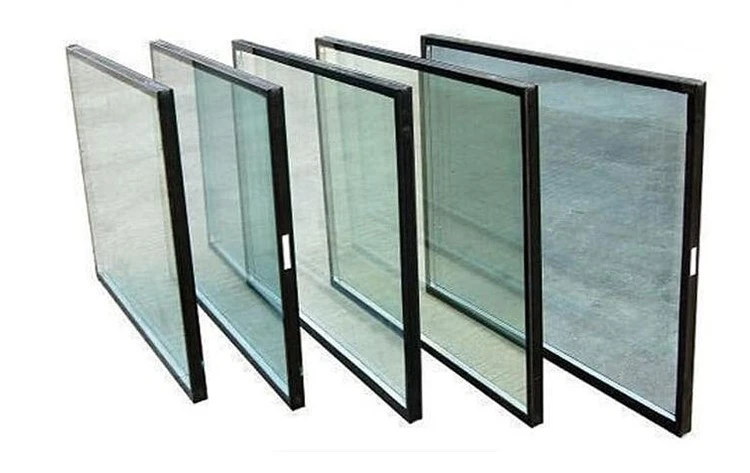
Overall, insulated glass provides improved thermal and sound insulation, enhanced safety and security, and reduced condensation. It is a popular choice for residential, commercial, and industrial buildings, and is available in a wide range of styles and configurations to suit different applications and design preferences.


